
A beautiful holiday window can still miss its purpose if it feels disconnected from the store inside. Holiday window graphics for retail stores work best when professionals replace the previous seasonal look with a fresh display that leads naturally into the shopping experience; high-tack adhesive graphics should be replaced by a professional. The window earns attention, but the in-store experience gives that attention somewhere to go.
It’s easy to see why a bold Christmas scene matters: shoppers notice visual impact, and a clear seasonal theme can make a storefront feel inviting. The opportunity is to carry that same idea beyond the glass, so the display supports the products, atmosphere, and path through the store rather than acting as a separate decoration.
This guide explains how to plan holiday window graphics, create a memorable Christmas display, and use color, focal points, and graphic choices to shape the result. It also shows how to connect the storefront with the in-store experience for a cohesive seasonal presentation from the sidewalk to the sales floor.
Key Takeaways
- Use seasonal window graphics to give passersby a clear reason to notice your storefront and step inside.
- Build the display around one strong focal point, then use color and lighting to make the seasonal theme easy to read.
- Choose window graphic materials based on the balance you need between visibility, privacy, and natural light.
- Plan production early so the design, materials, and installation schedule can work together smoothly.
- Carry the window’s theme into the store with coordinated visuals that help shoppers experience one cohesive seasonal presentation.
Benefits of seasonal storefront window graphics
Seasonal window graphics give a storefront a timely visual message. They can introduce a new collection, highlight gift ideas, or give passersby a reason to pause. Holiday window graphics for retail stores work best when they connect the display to products shoppers can find inside. Before installation, identify the applicable municipal sign rules and any property or lease requirements, which may affect placement, coverage, and display changes.
Seasonal and holiday graphics serve related but different roles. A seasonal display might reflect winter, spring, or back-to-school shopping, while a holiday display focuses on a specific occasion, such as Christmas. That distinction helps retailers choose a theme with a clear audience and purpose. Snowflakes and winter scenery suggest a broad seasonal mood; Christmas trees and gift imagery make the holiday reference unmistakable. Secular Christmas decorations can help public-space displays feel broadly welcoming.
A small story can make a window more memorable than decoration alone. Imagine a toy shop display with a train carrying gifts toward a tree, or a bookstore presenting winter reading as a cozy fireside scene, with featured titles nearby. These recognizable settings give the display a clear focus. The story should support the products, not hide them behind unrelated props or crowded graphics.
A timely storefront can also make a business feel active and relevant. Replacing a summer beach scene with autumn leaves signals a change in merchandise and mood, giving returning shoppers something new to notice. A fall window featuring coats, for example, communicates seasonal usefulness before someone enters. Keep the main message legible from the sidewalk, then use supporting details to reward a closer look.
Window materials affect both appearance and the shopping experience. Transparent vinyl can preserve natural light and visibility through the glass. Clear graphics keep the store interior visible from outside. Perforated film displays graphics externally while allowing people inside to see out and limiting views into the store. Frosted graphics add privacy and soften incoming sunlight. Match the material to the window’s purpose.
Plan replacements around the retail calendar, not just the holiday date. Late summer is a useful starting point for holiday display planning, as waiting can narrow material, fabrication, and vendor options. Set the visual theme first, then align artwork, production, and installation with the planned launch. Plan the transitions too: autumn graphics can give way to a winter motif, followed by a new-season display. Each change keeps the storefront current and visually coherent.
Display design elements: focal points, color, and lighting
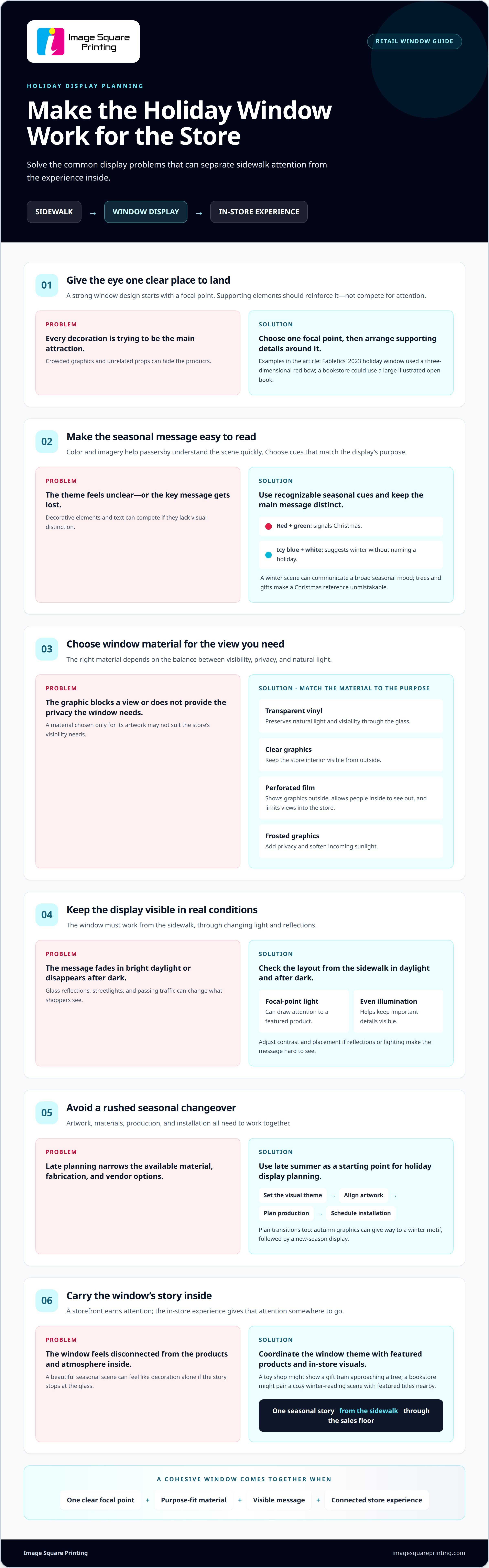
A strong window design gives the eye one clear place to land. Choose a focal point, such as an oversized red bow, then arrange supporting graphics around it. Fabletics used a three-dimensional red bow as its 2023 holiday display’s focal point. The example shows how one bold form can anchor a scene without requiring every element to compete for attention. For a bookstore, a large illustrated open book could play that role, with smaller snowflakes and product messaging in supporting positions.
Color helps shoppers read the scene quickly. A red-and-green palette signals Christmas, while icy blue and white suggest winter without naming a particular holiday. Saks Fifth Avenue’s 2024 holiday windows paired spring florals with winter icons, showing how contrast can make a seasonal display feel distinctive. For a retailer, pairing warm gold with deep blue could create a refined gift theme. Keep text and decorative elements visually distinct, so the key message remains easy to pick out.
Lighting adds depth, especially after daylight fades or when the store is closed. A lit focal point can draw attention to a featured product, while even illumination helps keep important details visible. Consider how streetlights, passing traffic, and nearby displays may reflect in the glass. Review the layout from the sidewalk in daylight and after dark, then adjust contrast and placement if the message disappears.
Visibility matters for both the display and the store interior. Keep entry glazing clear, place main graphics away from doors, and preserve sightlines where shoppers need to see inside. Transparent film can admit natural light, while clear graphics keep the interior visible from outside. Perforated film displays graphics externally while allowing people inside to see out and limiting views inward. Choose a material for the window’s purpose, not just the artwork.
Design, printing, and installation connect the concept to the finished glass. Design establishes scale, color, focal point, and viewing distance. Production turns approved artwork into graphics suited to the window layout, while careful installation preserves the composition through alignment and clean edges. For narrow panes, plan artwork around frame divisions so a face, product, or short message doesn’t fall across a seam.
Coordinate the graphic’s finish with the store’s lighting and interior colors. A bright red centerpiece may stand out against a neutral display, while a pale design can fade in strong daylight. Review the full window as shoppers will see it: from the sidewalk, through reflections, and alongside the merchandise inside. This composition check helps colors, light, and printed elements support the same visual story.
How holiday windows attract shoppers and support sales
A window display can turn a passing glance into a reason to enter. A featured product, seasonal offer, or recognizable holiday scene gives shoppers something specific to notice. A toy store, for example, can feature a train set in the window and show matching accessories nearby inside. That connection makes the display more than decoration: it introduces a product and helps shoppers imagine what they can find beyond the glass.
Holiday shopping often includes an experience, not just a purchase. PwC reports that 22% of consumers cite store atmosphere and displays as a key reason for visiting brick-and-mortar locations during the holidays. PwC also reports that 17% like to make a holiday shopping trip an event. These findings point to an opportunity: a vivid storefront can contribute to the occasion, especially when the store carries its theme inside.
A strong display makes the next step clear. A window featuring winter coats can direct attention to a seasonal collection, while a gift display can group products by recipient. Keep the products visible and let graphics explain the offer without crowding the view. A bookstore might pair a “gifts for readers” message with a curated selection near the entrance, connecting discovery with an easy first step inside.
Promotional graphics work best when shoppers understand the offer quickly. Highlight one primary message, such as a seasonal bundle or gift-with-purchase offer, and make the featured products easy to find. Avoid stacking unrelated discounts in one window. A home décor retailer might spotlight a coordinated table setting and direct shoppers to matching pieces inside. Clear visual hierarchy helps the offer stand out from decorative details.
Consistency supports the transition from sidewalk to sales floor. Repeat a color, motif, or short phrase from the window on an interior sign or product display. A gold star motif, for instance, can reappear beside gift selections, helping shoppers recognize the campaign after entering. This continuity connects the promise outside with the experience inside. Don’t suggest products or promotions that shoppers can’t find in the store.
Retailers can assess a campaign by comparing store activity and sales patterns across display periods. Track the featured products, note when graphics change, and compare those observations with customer questions and purchasing trends. If the window promotes a particular gift set, staff can note whether shoppers ask about it or seek related products. These signals can help refine the next display, from the featured item to the clarity of its offer.
What Makes a Christmas Display Great?
A strong Christmas window combines a focused theme, planned production, and careful installation. Popular ideas include snowflakes, Christmas trees, snowmen, and scenes centered on products.
Planning Production and Installation Timing
Planning production and installation means coordinating the approved design, graphic preparation, and fitting before the display launch. It matters because changes to artwork or window dimensions can affect the finished layout. A professional can plan the composition around glass panels, doors, and sightlines, then schedule production and installation in sequence. This helps prevent a key image or message from landing across a frame.
Popular Holiday Window Graphic Ideas
Popular holiday graphics include snowflakes, Christmas trees, snowmen, gift motifs, and scenes built around featured merchandise. A toy retailer might show a train beneath a decorated tree, while a clothing store could frame winter accessories with falling snow. Choose one clear theme, then add details that reinforce it. Secular Christmas imagery can help public-facing displays feel welcoming to a broad audience.
Production starts with approved artwork and the actual window layout. Consider panel widths, frame divisions, and viewing angle before preparing the graphics. For example, a large snowman should fit within one pane rather than split awkwardly across a mullion. Text needs enough contrast against its background to remain readable from the sidewalk. These decisions turn a creative concept into a coherent display.
Installation quality shapes how a design looks on glass. Align graphic edges, keep the composition consistent across separate panes, and avoid obstructing important views. For a scene with a tree and gifts, placement should preserve the intended relationship between those elements. Clean, deliberate positioning helps the window look finished rather than pieced together. Have high-tack seasonal graphics replaced professionally.
Static cling graphics attach to glass through static electricity, making them easier to install and remove than adhesive window graphics. Position the cling as part of the display, then remove it by lifting one corner and gently peeling it away. If residue remains, wipe the glass with a damp microfiber cloth and spray-on window cleaning solution. Static clings are useful for seasonal artwork that needs a temporary finish.
Plan removal alongside installation. A Christmas tree graphic might come down after the holiday period, while winter snowflakes remain until the next seasonal change. Coordinating transitions keeps the storefront current and makes room for the next design. A timeline that accounts for artwork approval, production, installation, and removal helps the display change cleanly, without old graphics alongside the new theme.
Connecting window displays to the in-store shopping experience
A storefront sets an expectation; the first few steps inside should continue it. If a window presents a “gifts for cooks” theme, shoppers should encounter related kitchen items near the entrance. That connection makes the display useful beyond the sidewalk. It also gives customers a clear starting point instead of leaving them to search the whole store for the products they noticed.
Carry the same visual cues across the threshold. A recurring color, shape, or short phrase can link window graphics with interior signs and featured merchandise. For example, a silver snowflake on the glass can appear on a nearby gift display. Shoppers recognize the campaign as they move through the store. Keep the motif consistent while ensuring product labels and prices remain easy to see.
Consider the customer journey from the entrance to the featured products. A window showing winter accessories can lead to a display where shoppers can browse without blocking the doorway. A toy retailer might feature a scene outside, then group matching toys inside. Make the visual path intuitive, with featured merchandise easy to find and the store’s normal circulation clear.
Align the window’s promise with the in-store offer. If the glass promotes a gift bundle, make that bundle identifiable after entry. If it highlights a seasonal collection, present the collection clearly rather than substituting unrelated products. The same applies to promotions: an offer should be easy to understand from the window and still make sense beside the products inside.
Build the display around what shoppers can actually experience. A window depicting a cozy reading corner can lead into books, blankets, or other related merchandise, depending on the store’s assortment. A beauty retailer might use a festive color scheme outside, then repeat it around holiday gift sets. These transitions turn a visual idea into a connected retail environment, rather than a striking scene with no in-store counterpart.
Staff can reinforce the connection with simple, consistent language. If the window highlights gifts for travelers, team members can direct interested shoppers to the matching section. Interior displays can use the same wording to connect the campaign with the merchandise. Keep messaging specific: a named collection or clear product category is more useful than a broad seasonal phrase on its own.
Review the whole experience from the shopper’s point of view. Start outside, note what the window promises, then enter and see whether the featured products are visible. Check that signs, merchandise, and promotional wording support the same theme. This review can reveal a missing transition, such as a display too far from the entrance or an offer shown only on the glass.
Plan window graphics that connect naturally with your in-store presentation.
Image Square Printing: Window Decals
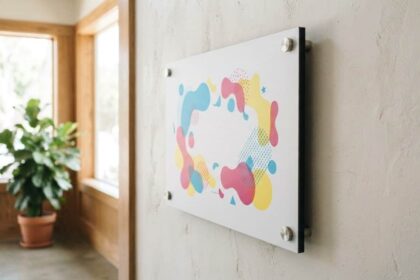
Image Square Printing produces Window Decals for retailers planning seasonal storefront graphics. Turn to the team when approved artwork needs to become a polished display that supports the products and theme inside. A coordinated visual plan can extend beyond the glass with Custom wallpaper printing or Custom wall covering, bringing a related seasonal look into the store.
To prepare a project brief, gather the window dimensions, artwork, preferred display dates, and visual details to carry into the store. These decisions help align production with the display’s purpose, whether you’re highlighting holiday merchandise or creating a cohesive seasonal setting.
Contact Image Square Printing to discuss your holiday window graphics project.
Make Your Next Seasonal Display Cohesive
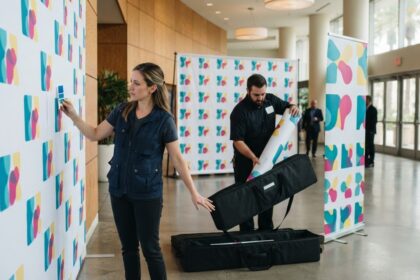
Use your next seasonal campaign to create a consistent visual identity across the storefront and the space shoppers enter. Holiday window graphics for retail stores work best with a clear creative direction that carries into relevant interior surfaces and displays. Consider how custom wallpaper printing or custom wall covering could extend the storefront theme, while Retractable Banner Stands can present supporting messages inside.
Before production, gather the artwork, window dimensions, preferred display dates, and interior elements that should match. These details provide a practical starting point and help align the storefront message with the experience inside. A thoughtful design can feel distinctive without overwhelming the merchandise or competing with the store’s identity.
Ready to shape a seasonal display around your retail space? Discuss your window graphics with Image Square Printing and take the next step toward a cohesive storefront presentation.
Frequently Asked Questions
How Do Professionals Change Window Graphics?
Replace window graphics by coordinating the new design, production, and removal of existing graphics. Account for the glass layout, frame divisions, and launch date before preparing the new artwork. Remove static clings by starting at one corner and pulling gently. For graphics made with high-tack adhesive, professional replacement is recommended. The goal is a clean transition and a properly aligned new design.
What materials are best for seasonal retail window graphics?
The best material depends on the window’s purpose. Transparent film admits natural light without obscuring visibility, while clear graphics keep the store interior visible from outside. Perforated film displays graphics outside, lets people inside see out, and limits inward views. Frosted graphics provide privacy and soften sunlight. Static clings suit temporary seasonal designs. Match the material to visibility, privacy, light, and how often the graphics will change.
What are the differences between vinyl decals, clings, and painted window graphics?
Vinyl decals use adhesive to attach graphics to glass; have high-tack versions replaced professionally. Static clings attach through static electricity, making them easier to install and remove than the other window graphic options described here. Painted graphics are applied directly to glass rather than supplied as a printed decal or cling. Choose based on the desired look, display duration, and how the storefront needs to change afterward.
How do professionals design holiday window graphics that attract shoppers and remain readable?
Professionals design for the viewing distance and the products the display should introduce. They prioritize one main image or message, then position supporting details so they don’t compete. For example, a short gift promotion should remain distinct from decorative snowflakes or stars. Contrast also matters: pale artwork may disappear in bright daylight, while a busy background can make small text difficult to read. A sidewalk view helps assess the finished layout.
How do professionals install and remove holiday window graphics without damaging glass?
Plan placement around glass panels, doors, and existing frames, then apply graphics with careful alignment. Static clings attach through static electricity and can be removed by gently pulling from one corner. Wipe any cling residue with a damp microfiber cloth and spray-on window cleaning solution. Have high-tack adhesive graphics replaced professionally. These approaches help manage removal while keeping the glass surface in view throughout the process.
When should retailers install holiday window displays and graphics?
Begin planning holiday displays by late summer, when material, fabrication, and vendor options may be broader. Schedule installation around the campaign launch so the display is ready before shoppers encounter the promotion. A retailer planning a Christmas gift campaign can coordinate artwork approval, production, and fitting ahead of the chosen launch. Include removal in the schedule for when the seasonal campaign ends.
Where can retailers order custom holiday window graphics in the United States?
Retailers across the United States can order Window Decals from Image Square Printing, which provides commercial and large-format printing nationwide, with worldwide shipping. Window graphics can support a seasonal storefront display, with artwork planned around the glass and campaign. For a cohesive interior presentation, Image Square Printing also offers custom wallpaper printing and custom wall covering. Share your display concept and window dimensions to start planning the project.