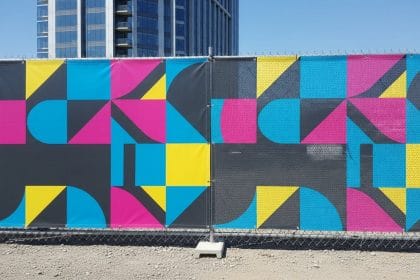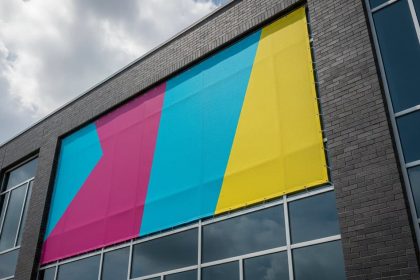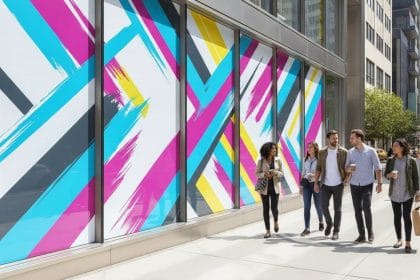

What if your high-stakes branding project failed not because of the design, but because you chose a residential-grade paper for a high-traffic lobby? It’s a common fear for facility managers and creative directors alike. You need to know that your investment will withstand daily wear while meeting the latest safety regulations. Understanding the various types of custom wallpaper material is the first step toward a successful installation that lasts five to ten years.
We agree that navigating technical specs shouldn’t feel like a guessing game. You’re looking for a substrate that reconciles visual impact with environmental stressors and strict regulatory safety. This guide provides the clarity you need to choose the perfect professional-grade material for your specific space. We’ll break down the latest 2026 standards, such as the EN 13501-1 fire safety requirements that now demand a 270°C temperature threshold. You’ll learn how to select Type II durability ratings for high-traffic areas and ensure your brand colors are rendered with high-resolution accuracy every time.
Key Takeaways
- Learn how to distinguish between residential and commercial grades to ensure your substrate handles the specific demands of your unique environment.
- Master the technical specifications of Type I and Type II wallcoverings to guarantee your installation meets medium to heavy-duty traffic requirements.
- Discover the various types of custom wallpaper material, from versatile fabric-backed vinyl to breathable non-woven substrates, to find the right balance of aesthetics and function.
- Understand the critical importance of Class A fire ratings and updated safety standards to ensure full compliance for high-visibility public spaces.
- Optimize your brand impact by matching matte or gloss finishes to your lighting profile for high-resolution color accuracy and professional-grade results.
Understanding the Landscape of Custom Wallpaper Materials
The wallpaper industry has undergone a seismic shift. We’ve moved far beyond the repetitive patterns of the past. Modern businesses now view walls as high-impact canvases for brand storytelling. While the history of wallpaper began with hand-painted patterns for the home, today’s commercial landscape relies on precision-engineered substrates. Choosing between different types of custom wallpaper material isn’t just about the pattern; it’s about engineering a visual experience that survives the rigors of a public space.
Commercial environments demand more than just aesthetics. High-performance vinyl has replaced standard decorative paper in professional settings. This shift is driven by the need for durability, fire safety compliance, and the ability to maintain crisp image quality over years of physical contact. In 2025, commercial applications dominated the market with a 51.73% share, reflecting how vital these materials are for modern business infrastructure. Large-format printing technology acts as the bridge here. It transforms raw, industrial-grade materials into sophisticated branded environments that command attention.
Custom Printing vs. Off-the-Shelf Wallpaper
Off-the-shelf rolls limit you to fixed widths and repeating motifs. Custom digital custom wall coverings offer complete freedom of scale. You can design seamless graphics that span entire lobbies without visible breaks in the imagery. This level of control allows for precise color matching of corporate brand identities across various textures. Whether you’re integrating logos or complex architectural features, custom printing ensures the design fits the room perfectly. It’s the difference between a generic backdrop and a bespoke brand asset.
The Importance of Substrate Selection
The substrate is the silent partner in your design’s success. It dictates how ink is absorbed and how sharp the final image appears to the naked eye. If you choose the wrong base, even the best design can look muddy or fade prematurely. You must balance the tactile “look and feel” with practical “wear and tear.” Factors like moisture levels in a restaurant or sunlight exposure in a glass-walled office determine which types of custom wallpaper material will perform best. A master craftsman understands that the foundation determines the longevity of the vision. We focus on matching the material’s technical specs to your specific environmental stressors.
The Primary Types of Custom Wallpaper Materials
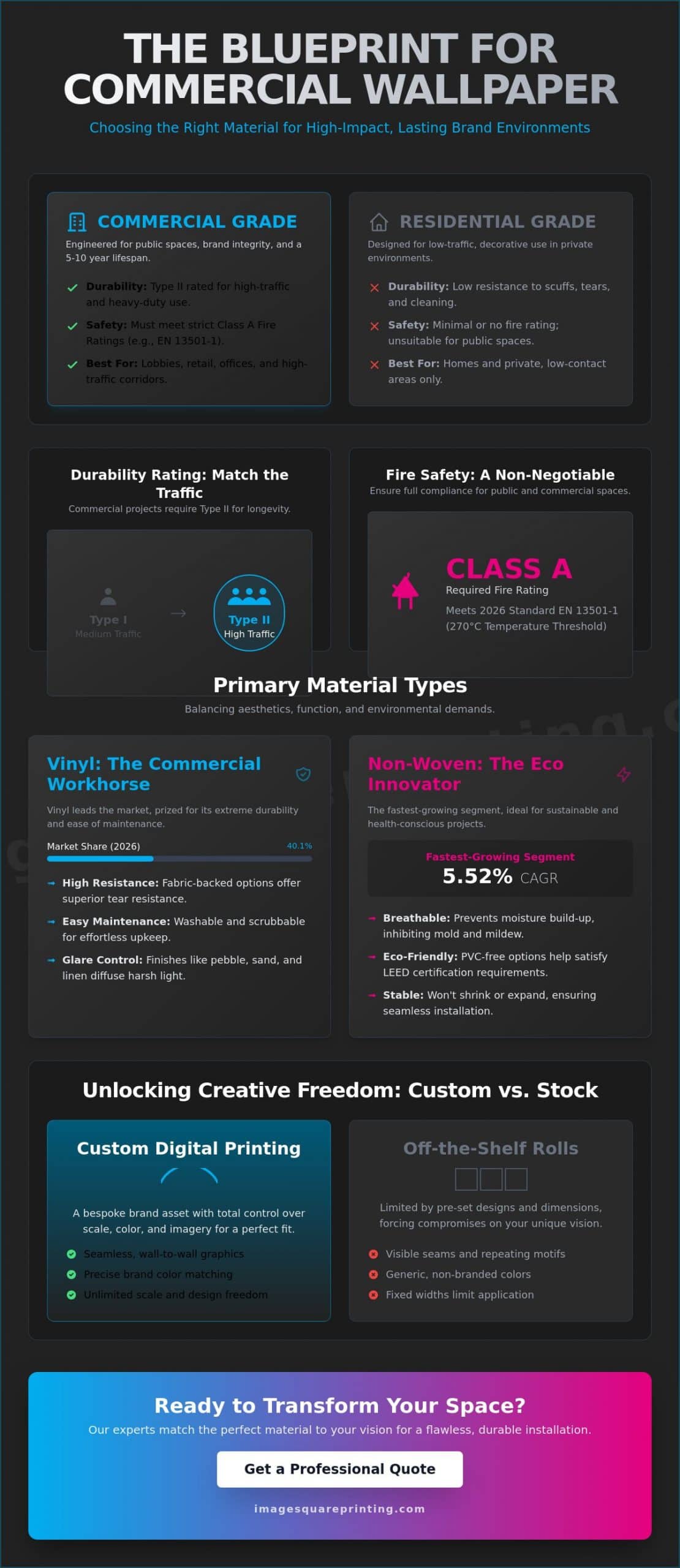
Selecting from the diverse types of custom wallpaper material requires a technical understanding of how each substrate interacts with professional printing technology. The material you choose dictates the longevity, maintenance schedule, and visual impact of your project. As of 2026, vinyl wallpaper remains the market leader with a 40.1% share, but emerging non-woven and adhesive-backed technologies are rapidly gaining ground for specific commercial applications. We categorize these materials based on their physical composition and their performance under high-pressure environments.
Vinyl: The Workhorse of Commercial Spaces
Vinyl is the undisputed standard for high-traffic corridors and retail environments. While solid sheet vinyl is common, fabric-backed vinyl offers significantly higher tear resistance, making it the superior choice for areas prone to physical impact. We often recommend specific textures to manage environmental light; pebble, sand, and linen finishes diffuse overhead glare, ensuring your graphics remain legible from every angle. Beyond durability, vinyl’s primary advantage is its maintenance profile. These surfaces are officially classified as “washable” and “scrubbable,” allowing facility teams to remove scuffs without degrading the printed image.
Non-Woven and Eco-Friendly Alternatives
Non-woven wallpaper is currently the fastest-growing segment in the industry, with a projected 5.52% CAGR. This material is composed of a sophisticated blend of natural and synthetic fibers, creating a dimensionally stable substrate that won’t shrink or expand during installation. Its greatest technical asset is breathability. This permeability prevents moisture from becoming trapped, which is essential for mold and mildew prevention in climate-controlled office buildings. Many of our clients select these PVC-free options to satisfy LEED certification requirements or sustainable branding initiatives. Referencing the Wallcovering Association Quality Standard confirms that these eco-friendly alternatives meet the same rigorous safety and performance benchmarks as traditional materials.
Adhesive-Backed Fabrics and Vinyls
For temporary installations or event-based graphics, self-adhesive “Peel and Stick” materials provide unmatched flexibility. These products use repositionable adhesives that allow for precise alignment during installation without damaging the underlying wall surface. While retail window displays often utilize short-term adhesives for seasonal promotions, we also offer high-tack versions designed for long-term wall murals. If you’re looking for a solution that combines ease of installation with professional impact, our digital custom wall coverings offer several adhesive-backed options tailored to your specific timeline.
Specialty Artistic Finishes
When the project demands a high-end, gallery-quality finish, canvas and textile-based materials are the premier choice. These substrates provide a rich, tactile depth that standard papers cannot replicate. For high-visibility feature walls, specialty metallic or iridescent films can be used to create unique visual effects that shift with the room’s lighting. These materials transform a simple wall into a sophisticated brand asset, proving that the right substrate is just as important as the design itself.
Technical Specifications: Type II and Fire Ratings
Professional-grade environments require more than just a visual match; they demand adherence to strict engineering benchmarks. While we’ve discussed the physical types of custom wallpaper material, their technical classification determines where they can legally and safely be installed. Professional printers and architects prioritize materials that meet ASTM F793 standards. This classification system ensures that the substrate can withstand the specific stresses of its intended environment, from light-duty offices to heavy-traffic hospital corridors. Selecting a material without verifying these specs can lead to premature failure or, worse, building code violations.
Type II Durability: Why It Matters for Your Business
Type II wallcovering is the gold standard for high-traffic commercial use. To earn this classification, a material must typically meet specific weight and thickness requirements, usually weighing at least 20 ounces per linear yard. This added density provides the necessary tear strength and abrasion resistance required for hotel corridors, hospital rooms, and busy corporate lobbies. While Type I (Light Duty) materials are suitable for private offices where physical contact is minimal, Type II substrates are designed to survive the impact of luggage carts, cleaning equipment, and constant human traffic. We ensure our custom wall coverings meet these rigorous weight requirements to protect your long-term brand investment.
Fire Safety Compliance and Class A Ratings
Safety is a non-negotiable factor in commercial design. Architects and facility managers require Class A certification for wall coverings in nearly all public spaces. This rating is determined by the ASTM E84 tunnel test, which measures two critical factors: flame spread and smoke development. A Class A rating indicates the material has the lowest flame spread potential, providing vital protection during an emergency. It’s not just the substrate that matters; the custom printing inks must also be compatible with fire-rated materials to maintain the integrity of the certification. Using a Class A rated material ensures you meet local building codes and prioritize occupant safety in high-stakes environments.
Standardized Testing for Longevity
Beyond fire and weight, commercial materials undergo standardized testing for scrubbability, stain resistance, and colorfastness. Scrubbability tests determine how many cleaning cycles a surface can endure before the image begins to degrade. This is vital for environments like healthcare facilities where sanitization is frequent. Colorfastness ensures that your brand colors remain vibrant even when exposed to UV light through large office windows. By selecting high-performance types of custom wallpaper material, you guarantee that your graphics will remain as crisp and professional in five years as they are on the day of installation. We focus on these technical details so you can focus on your business.
Selection Framework: Matching Material to Environment
Selecting from the various types of custom wallpaper material requires a systematic assessment of your physical environment. You aren’t just choosing a design; you’re matching a technical solution to a specific set of environmental stressors. Our selection framework prioritizes three factors: the traffic profile, the lighting conditions, and the intended longevity of the installation. This approach ensures your project remains a high-value asset rather than a maintenance liability. We look at the wall texture itself, as heavy textures often require thicker substrates or specific adhesive strengths to ensure a seamless bond.
High-Traffic and Public Spaces
In areas like airports, schools, or healthcare facilities, durability is the primary metric. For these environments, we recommend Type II materials enhanced with protective laminates. These clear over-laminates provide an extra layer of defense against deep scratches and chemical cleaners. Choosing patterns with organic textures, such as linen or sand, is a strategic way to hide fingerprints and minor wall imperfections that occur over time. For a cohesive environmental branding strategy, many clients pair these installations with high-durability floor and wall decals to guide traffic and reinforce brand messaging in transition zones.
Branding for Corporate and Retail Interiors
Corporate lobbies and retail showrooms demand high-resolution color accuracy and an immersive feel. We utilize digital custom wall coverings to create seamless, floor-to-ceiling experiences that reflect precise brand identities. In these spaces, lighting is a critical variable. We often suggest matte finishes for professional offices to eliminate the glare from overhead fluorescent lights or large windows. This ensures that your brand logos and graphics look perfect in person and during professional photography or video conferences. The goal is to create a sophisticated environment that communicates prestige without visual distraction.
Temporary Installations and Events
Pop-up shops, tradeshows, and seasonal retail displays have different requirements. When the installation only needs to last for a few weeks or months, ease of removal is just as important as the initial impact. We often deploy fabric posters or adhesive-backed vinyl for these scenarios. These materials use specialized adhesives designed to pull away cleanly, protecting the original wall surface from damage. Whether you are following a guide for large-scale event inspiration or launching a new product line, selecting a repositionable material reduces installation stress and labor costs.
Ready to select the ideal substrate for your next high-stakes project? Consult with our experts on material selection to ensure your vision is executed with technical precision and lasting impact.
The Image Square Printing Advantage: From Design to Installation
Matching the right types of custom wallpaper material to your specific project is only half the battle; the execution determines the final ROI. We don’t just print rolls of paper. We act as a collaborative partner, ensuring that your technical requirements and aesthetic goals are perfectly aligned. From initial site surveys to the final professional mounting, we remove the friction from the production process. This allows you to focus on your core business while we handle the technical precision required for high-stakes environments.
Precision Printing and Pre-Press Excellence
Our role begins long before the printers start running. We optimize your artwork for high-resolution large-format output, ensuring every brand asset meets the technical specs for your chosen substrate. This pre-press excellence is what separates a generic print from a professional-grade brand asset. Our meticulous pre-press process ensures total color consistency across different large format poster printing materials, whether you’re matching a vinyl wall mural to a companion paper poster. We obsess over the details so your brand colors remain accurate across every medium.
Professional Installation and Mounting
Professional application is critical for high-impact wall graphics. Even the highest quality types of custom wallpaper material can fail if the installation is handled poorly. Our team handles complex surfaces and ensures the perfect alignment of multi-panel murals, eliminating visible seams and bubbles. We conduct comprehensive site surveys and technical assessments to verify surface adhesion before a single panel is hung. This proactive approach prevents material failure in high-traffic areas and ensures your investment lasts for years. Plus, our nationwide shipping and professional finishing options mean your project arrives ready for a seamless finish, no matter your location.
The Path to Your Custom Wall Covering
We’ve streamlined our workflow to mirror the fast-paced nature of the industries we serve. The process is logical and tiered to ensure efficiency:
- Initial Assessment: We provide expert consultation and material recommendations based on your traffic profile and safety requirements.
- Design Optimization: Our team offers graphic design support to ensure files are optimized for large-scale production.
- Production and Delivery: We utilize tech-forward printing methods for rapid delivery and premium quality.
- Professional Mounting: Our master craftsmen handle the final installation for a polished, authoritative look.
Your vision deserves an expert hand and technical precision. Start your custom wall covering project with Image Square Printing today and transform your space with confidence.
Elevate Your Environment with Technical Precision
Choosing between different types of custom wallpaper material is the critical bridge between a creative vision and a lasting business asset. You now understand that selecting a substrate is as much about meeting Class A fire ratings and Type II durability standards as it is about aesthetic impact. By matching your material to the specific traffic profile and lighting of your space, you ensure that your brand environment remains vibrant and professional for years to come. It’s an engineering decision that pays dividends in both safety and visual prestige.
Since 2003, Image Square Printing has combined decades of large-format expertise with a commitment to technical excellence. We offer a full suite of Class A fire-rated materials and provide professional on-site installation services to guarantee a seamless finish every time. Our team is ready to transform your facility into a high-impact branded space with the quiet confidence that only master craftsmanship can provide. We handle the complexities of pre-press and mounting so you can focus on your business goals.
Your walls are the ultimate canvas for your brand’s reputation. Get a Professional Quote for Custom Wall Coverings and let us help you select the perfect substrate for your high-stakes project. We look forward to bringing your vision to life with precision and speed.
Frequently Asked Questions
What is the difference between Type I and Type II custom wallpaper?
Type II custom wallpaper is significantly heavier and more durable than Type I, typically weighing at least 20 ounces per linear yard. While Type I is suitable for light-duty areas like private offices, Type II is the industry standard for high-traffic corridors and public lobbies. It offers superior resistance to scuffs, tears, and physical impact, ensuring your investment survives the daily rigors of a commercial environment.
Are custom-printed wall coverings fire-rated for commercial use?
Yes, professional-grade wall coverings are Class A fire-rated to comply with strict commercial building codes. We prioritize materials that pass the ASTM E84 tunnel test for flame spread and smoke development. This certification is essential for installations in public spaces, hospitals, and corporate offices to ensure occupant safety and full regulatory compliance.
Can custom wallpaper be installed on textured walls?
Custom wallpaper can be installed on textured walls, but the choice of substrate is critical for a smooth finish. Heavy textures require thicker, fabric-backed types of custom wallpaper material or specific Type II vinyls that can mask underlying imperfections. In some cases, we recommend a site survey to determine if surface skim-coating is necessary before installation to ensure proper adhesion.
How long does custom-printed wallpaper typically last in a commercial setting?
Professional custom-printed wallpaper typically lasts between five and ten years in a standard commercial setting. The actual lifespan depends on the traffic profile of the space and the durability rating of the material selected. By choosing Type II substrates and applying protective laminates, you can extend the visual life of your graphics even in high-use environments like retail stores or hotels.
Is peel and stick material durable enough for a permanent office mural?
Peel and stick material is generally better suited for temporary displays rather than permanent office murals. While repositionable adhesives offer flexibility for short-term branding, permanent installations benefit from the superior bond of paste-applied vinyl. For a mural intended to last a decade, we recommend a traditional Type II vinyl wallcovering to prevent edge curling or adhesive failure over time.
What is the best material for custom wallpaper in a high-moisture area like a bathroom?
Non-permeable vinyl with a fabric backing is the best solution for high-moisture areas like commercial bathrooms. These materials prevent water from soaking into the substrate, which helps inhibit the growth of mold and mildew. We also offer breathable non-woven options that allow moisture to escape the wall cavity, providing a technical solution for climate-controlled environments prone to humidity.
How do I clean and maintain my custom-printed wall graphics?
You can maintain your custom-printed wall graphics using a soft cloth and a solution of mild soap and warm water. Most commercial vinyl substrates are classified as “scrubbable,” meaning they can withstand gentle cleaning to remove scuffs or dirt without damaging the ink. Avoid using abrasive chemicals or solvent-based cleaners, as these can degrade the protective coating and the high-resolution image quality.
Can I use my own high-resolution photos for custom wallpaper printing?
You can absolutely use your own high-resolution photos for custom wallpaper printing provided they meet our technical file specifications. For large-format output, we typically require files with a minimum of 150 DPI at the final print size to ensure crisp, professional results. Our pre-press team will review your imagery to verify it can be scaled effectively across various types of custom wallpaper material without losing detail.